Surprising Facts About the World’s Best Snorkeling Destinations
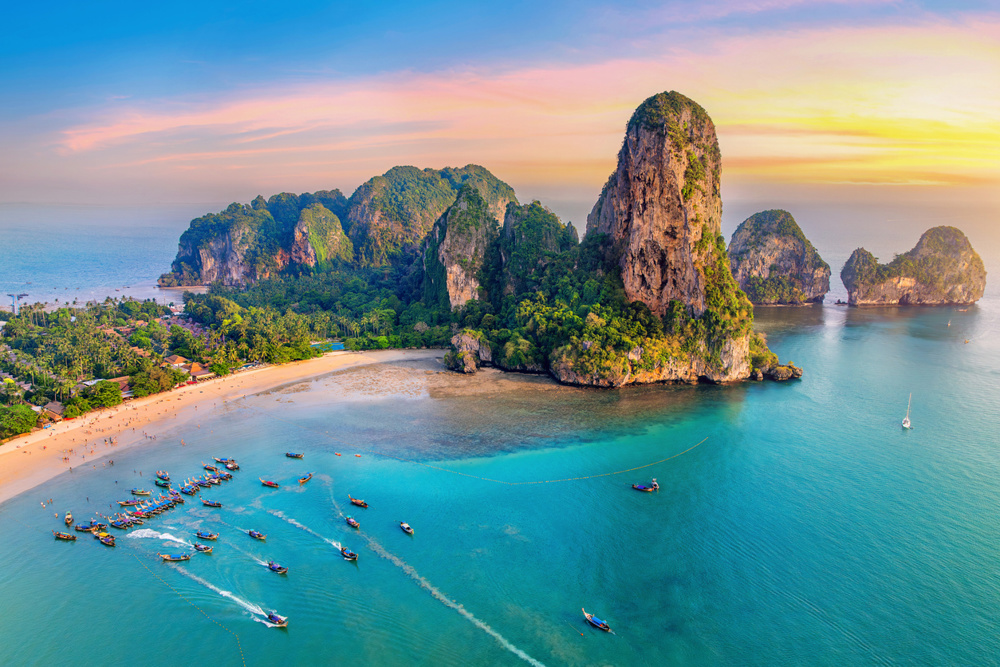
The world’s best snorkeling destinations are more than just clear water and colorful reefs—they often hold unexpected features that redefine what underwater exploration can look like. Some locations surprise you with biodiversity far beyond typical coral reefs, while others offer entirely different environments like freshwater ecosystems or volcanic formations.
What makes these places remarkable is not just their beauty, but how unique they are compared to standard expectations. Understanding what makes each location distinct allows you to appreciate them on a deeper level. Instead of simply visiting a “good” snorkeling spot, you begin to recognize the rare qualities that set the world’s best apart.
The World's Best Snorkeling Destinations Ranked
Some snorkeling destinations consistently stand out because they combine multiple exceptional features—high biodiversity, clear visibility, and unique underwater landscapes. What’s surprising is how different these top locations are from one another.
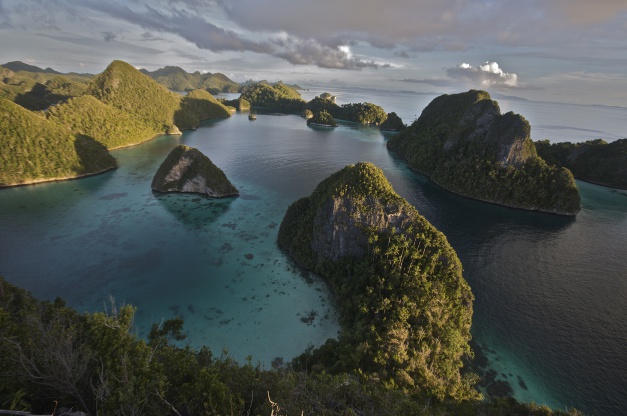
Raja Ampat, for example, is widely considered one of the most biodiverse marine regions on Earth. With over 1,500 islands, it offers a scale and richness that few places can match. In contrast, Fernando de Noronha in Brazil is known for its remarkable water clarity, where visibility can extend up to 40 meters, allowing for an entirely different kind of experience.
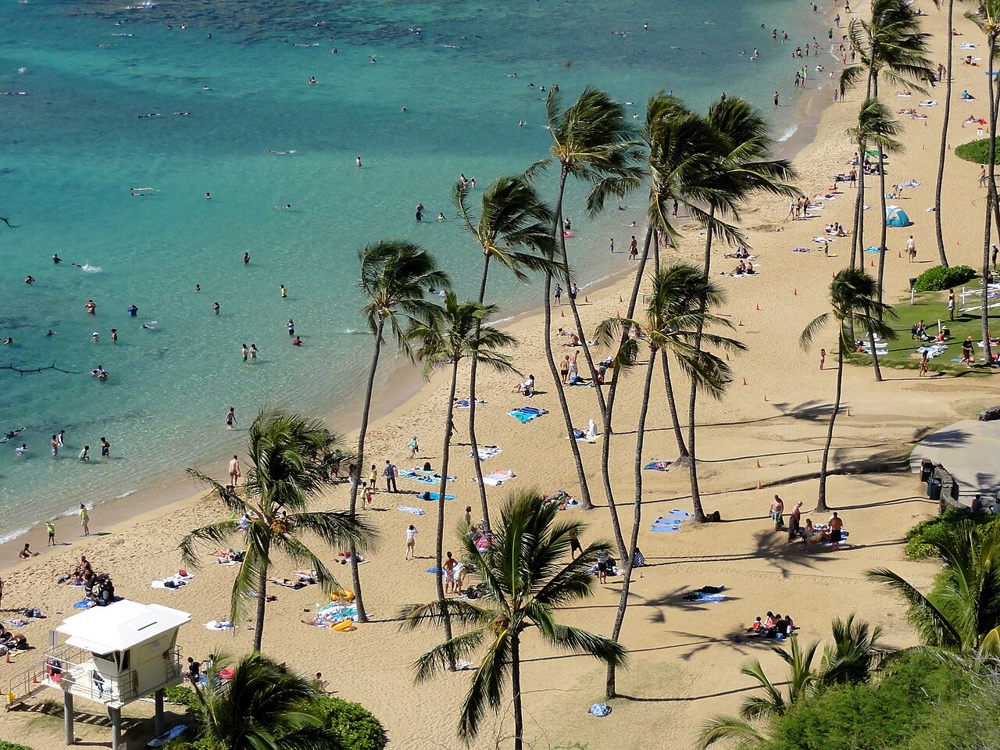
Hanauma Bay in Hawaii adds another dimension, sitting inside a volcanic crater that creates a naturally protected marine environment. Meanwhile, Lake Malawi stands out by offering freshwater snorkeling, where hundreds of endemic fish species create a vibrant ecosystem unlike anything found in the ocean.
These destinations are not just “the best”—they are fundamentally different from one another, which is what makes them so surprising and worth exploring.
Why Some Snorkeling Destinations Have Extreme Biodiversity
One of the most surprising aspects of top snorkeling destinations is just how concentrated marine life can be in certain regions. Areas like the Coral Triangle support an extraordinary number of species because of unique environmental conditions, including warm water, nutrient flow, and stable ecosystems.
These regions often sit at the intersection of ocean currents, which bring in nutrients that sustain coral growth and marine populations. Over time, this creates ecosystems where hundreds—or even thousands—of species coexist in relatively small areas.
For snorkelers, this means encountering far more marine life in a single session than in most other parts of the world. Understanding why these hotspots exist adds depth to the experience, turning what you see into something you can better appreciate.
Top Snorkeling Destinations in the Indo-Pacific
The Indo-Pacific region is home to some of the most extraordinary snorkeling environments in the world, and its diversity often exceeds expectations. This area includes the Coral Triangle, a region known for hosting the highest concentration of marine species globally.
Raja Ampat leads the region with its immense biodiversity, where snorkelers can encounter everything from reef sharks to large schools of fish moving in dense formations. Nearby destinations like Wakatobi and Komodo National Park offer equally vibrant reefs, each with its own distinct ecosystem.
One surprising aspect of this region is how accessible some of these experiences can be. In places like Wakatobi, reefs begin just steps from the shoreline, allowing snorkelers to experience world-class marine life without needing extensive travel offshore.
Despite its reputation, the Indo-Pacific still contains lesser-known areas that remain relatively untouched. These locations provide opportunities to explore reefs that feel less crowded and more natural, adding to the sense of discovery.
The Best Snorkeling Destinations Outside Asia
While Asia's Indo-Pacific reigns supreme for reef biodiversity, the rest of the world's oceans, lakes, and coastlines offer snorkeling experiences that rival it in their own right. You'll find remarkable underwater worlds across multiple continents:
- Bonaire, Caribbean – Caribbean conservation efforts protect 350+ fish species along 320 kilometers of shore-accessible coastline.
- Hol Chan, Belize – Swim alongside eagle rays and sharks in a no-fishing zone established since 1987.
- Lake Malawi, Africa – African biodiversity peaks here with 1,000+ endemic cichlid species in 25-meter visibility freshwater.
- Arraial do Cabo, Brazil – Atlantic waters deliver sea turtles, dolphins, and 20-meter visibility off Brazil's coastline.
Each destination proves exceptional snorkeling doesn't require a flight to Asia. Cape Town's Great African Sea Forest gained widespread recognition after featuring in the Academy Award-winning documentary "My Octopus Teacher," drawing snorkelers and freedivers to its extraordinary kelp forests.
Step deeper into the world of snorkeling with more fascinating travel destination facts and trivia.
What Makes a Snorkeling Destination Worth Your Time?
Whether you're planning your first underwater adventure or your fiftieth, not every snorkeling destination deserves a spot on your itinerary. The best spots combine water quality, biodiversity, and accessibility options that match your skill level. Crystal-clear visibility, like Maldives' famous waters or Arraial do Cabo's vibrant reefs, lets you actually see what you came for.
Strong safety measures matter too. Calm waters with minimal currents reduce risk, while locations offering gear rentals and guided packages, like Renggis Island, make snorkeling stress-free. Local conservation efforts directly shape your experience. Protected areas like Hol Chan Marine Reserve and Raja Ampat's thriving coral systems exist because communities actively safeguard them.
When you choose destinations that prioritize conservation, you're rewarding responsible stewardship while witnessing marine ecosystems at their healthiest. U.S. national marine sanctuaries exemplify this commitment, with sites like the National Marine Sanctuary of American Samoa protecting reefs that host over 1,000 species of fish and invertebrates.
The Best Snorkeling Destinations for Beginners vs. Experts
Choosing the right snorkeling destination starts with knowing your skill level. Reef accessibility and wildlife ethics matter regardless of experience.
Beginner-Friendly Picks:
- Kailua-Kona, Hawaii – Calm waters, green sea turtles, colorful fish
- Key West, Florida – Shallow reefs, excellent visibility, nurse sharks
- West Bay Beach, Roatán – Shore access, vibrant Caribbean reefs
- Molokini Crater, Maui – Guided tours, butterflyfish, moray eels
Once you've built confidence, expert destinations reward you further:
- Raja Ampat, Indonesia – Mind-blowing reefs, manageable currents with guides
- Komodo, Indonesia – Mantas, turtles, thrilling drift snorkeling
- Palau – Stingless jellyfish, WWII wrecks, stunning drop-offs
- Wakatobi, Indonesia – Healthy reef walls, mild currents, easy house reef access
Always respect marine life wherever you snorkel. Knowledgeable local guides can introduce you to the safest entry points and best times to visit, making unfamiliar destinations far more accessible and rewarding.
Best Season and Visibility Conditions for Each Destination
Timing your snorkeling trip correctly can mean the difference between crystal-clear reefs and murky, surge-driven disappointment. In Waikiki, June delivers peak clarity with consistently calm mornings, while April through October offers reliable visibility overall. Avoid January through March if you can—winter swells make conditions unpredictable.
For Caribbean destinations, the dry season from December through April gives you the highest success rate. March through May hits the sweet spot, combining low winds, reduced rainfall, and lighter currents simultaneously. Regardless of destination, tide timing matters greatly. Spring low tides around full and new moon phases outperform neap tides consistently.
You'll also want to snorkel between 10:00 AM and 2:00 PM, when sunlight penetration maximizes underwater visibility. Southwest winds improve conditions; northeast winds destroy them. If uncertain about conditions, operators like Living Ocean Tours offer professional snorkel guides who can identify the clearest spots on any given day.
How Gear and Preparation Can Improve Your Snorkeling Experience
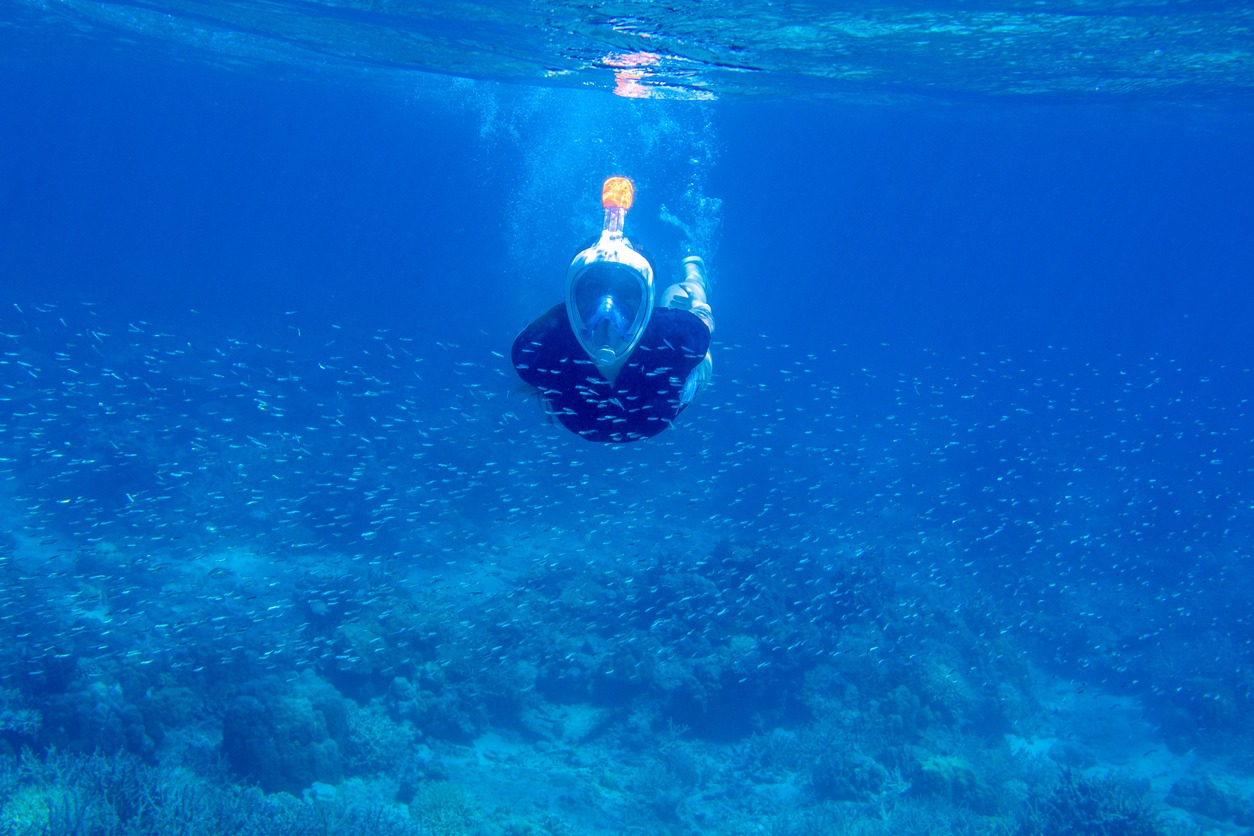
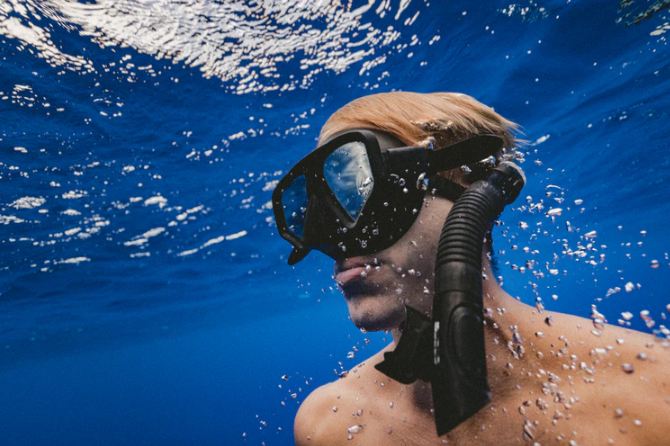
The quality of your snorkeling experience is influenced not only by the destination but also by your preparation. Properly fitted masks, comfortable fins, and appropriate exposure protection can make a noticeable difference in how long and how comfortably you stay in the water.
Simple adjustments—such as anti-fog solutions for your mask or using fins suited to your skill level—can improve both visibility and movement. In some locations, additional gear like reef-safe sunscreen or flotation devices can also enhance safety and comfort.
Preparation also includes understanding the environment you are entering. Knowing water depth, entry conditions, and local guidelines helps you approach each destination with confidence. With the right setup, even a good snorkeling location can become an exceptional one.
Unusual Snorkeling Environments You Didn’t Expect
Not all snorkeling takes place in traditional coral reef settings. Some of the most surprising destinations offer completely different environments.
Jellyfish Lake in Palau allows snorkelers to swim among thousands of harmless jellyfish, creating an experience unlike any typical reef dive. Similarly, freshwater locations like Lake Malawi provide a unique contrast to ocean environments, with different species and water conditions.
Volcanic formations also create unusual snorkeling landscapes. Crater-based environments, such as Hanauma Bay, combine geological features with marine ecosystems, resulting in protected and visually distinct areas. These environments expand the definition of snorkeling, showing that the activity is not limited to one type of location.
Rare Marine Life You Can Only See in Certain Destinations
One of the most compelling reasons to visit specific snorkeling destinations is the opportunity to encounter species that exist nowhere else.
In Raja Ampat, endemic species and rare coral formations create a level of biodiversity that is difficult to replicate elsewhere. In Lake Malawi, cichlid fish have evolved into hundreds of unique variations, each adapted to specific niches within the lake.
Other destinations are known for seasonal or location-specific encounters, such as manta rays, whale sharks, or large schools of pelagic fish. These experiences add an element of unpredictability and excitement to snorkeling. Knowing where to find these rare species allows you to plan trips that offer something truly unique.
How to Get the Most Out of a World-Class Snorkeling Destination
Visiting a top snorkeling destination is only part of the experience—how you approach it can make a significant difference. Choosing the right time of day, such as early morning, often results in calmer water and better visibility. Using proper equipment and ensuring a comfortable fit also improves your ability to stay in the water longer.
Respecting marine life and following local guidelines helps preserve the environment while also ensuring a safer experience. Avoid touching coral, maintain distance from wildlife, and follow designated snorkeling zones. By approaching each destination thoughtfully, you maximize both the quality of your experience and the sustainability of the location.
Conclusion
The world’s best snorkeling destinations stand out not just because they are beautiful, but because they offer something unexpected. Whether it is unmatched biodiversity, unusual environments, or rare marine life, each location brings a unique perspective to underwater exploration.
By understanding what makes these destinations special, you can plan more meaningful and rewarding trips. Instead of simply choosing popular locations, you can seek out experiences that align with your interests and curiosity. Snorkeling becomes more than just a recreational activity—it becomes a way to explore some of the most diverse and surprising environments on the planet.
Related posts