Creating a Snorkeling Destination Calendar for Every Season
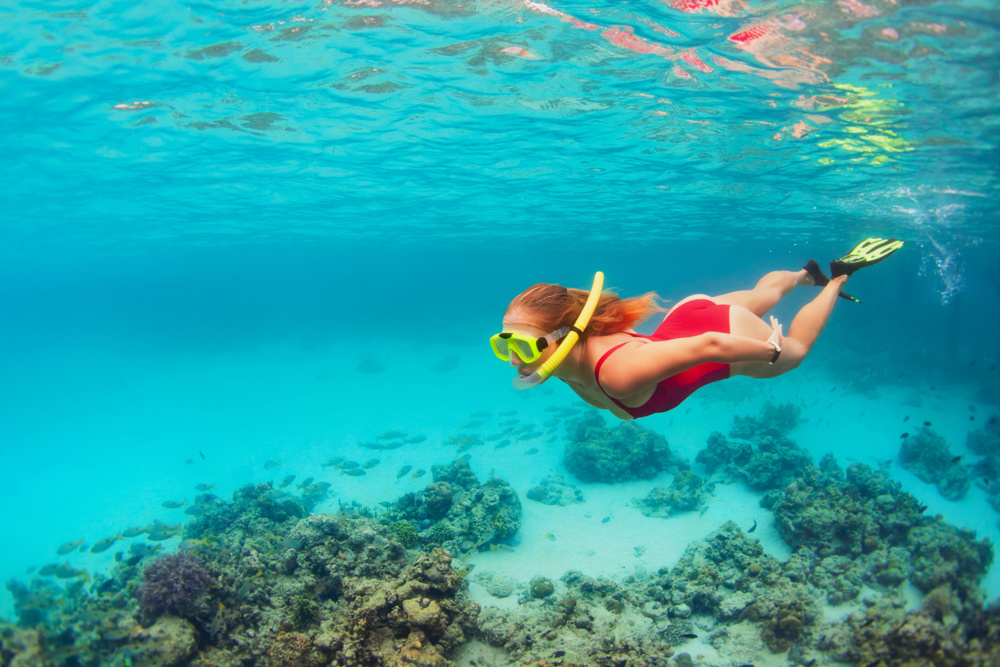
A snorkeling destination calendar works best when it aligns travel plans with natural conditions. Water clarity, weather patterns, and ocean activity vary throughout the year, and choosing the right destination at the right time makes a significant difference in the overall experience.
Instead of relying on general recommendations, a seasonal approach allows you to plan with precision. With the right timing, snorkeling becomes more than just an activity—it becomes a consistent, high-quality experience wherever you travel. This guide breaks down how each season affects your options and how to plan accordingly.
How Hurricane Season Affects Caribbean and Tropical Snorkeling
Hurricane season, which runs from June through November in the Caribbean and many tropical regions, significantly affects snorkeling conditions. Even in the absence of direct storms, the broader environmental impact can reduce water quality and make ocean conditions less predictable.
Rainfall during this period increases runoff from land into coastal waters. This introduces sediment and debris, reducing visibility and making it harder to fully enjoy reef environments. In addition, stronger winds and shifting currents can disturb the ocean floor, further clouding the water. Safety is also an important consideration.
Rougher seas and sudden weather changes can make snorkeling more challenging, especially for beginners. While experienced travelers can still find suitable conditions in sheltered areas, it often requires more careful planning and flexibility. For those seeking the clearest water and most stable conditions, avoiding this season in the Caribbean is often the best approach.
Best Winter Snorkeling Spots From the Caribbean to Hawaii
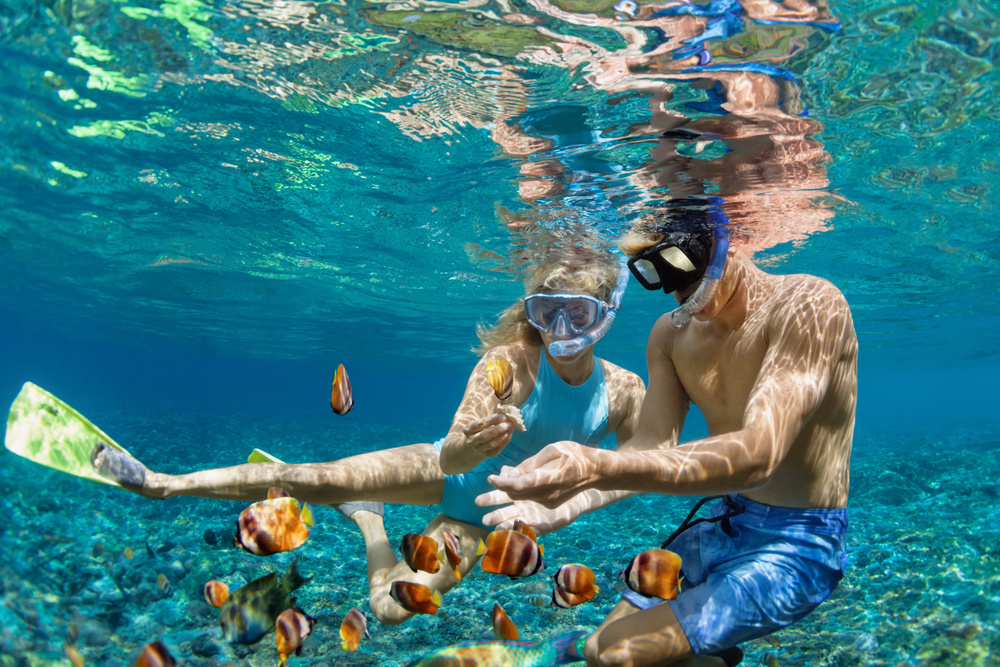
Winter is widely considered one of the best seasons for snorkeling in the Caribbean. From December through April, dry-season conditions bring calm seas, minimal rainfall, and excellent visibility. These factors combine to create ideal underwater conditions, especially for reef exploration.
Destinations like Belize, Curaçao, and Turks and Caicos consistently deliver during this time. Protected reefs and stable weather allow for clear views of coral formations and marine life. These areas are also known for their accessibility, making them suitable for a wide range of skill levels.
Hawaii offers strong winter options as well, particularly along the Kona Coast of the Big Island. While some coastlines experience larger waves, specific areas remain sheltered and calm. These locations provide reliable snorkeling conditions, often with the added benefit of unique wildlife encounters such as dolphins.
Best Spring Snorkeling in Barbados, Hawaii, and the Dutch Caribbean
Spring typically brings some of the finest snorkeling conditions across Barbados, Hawaii, and the Dutch Caribbean, as reduced rainfall and calmer seas sharpen visibility and open up beach-entry sites that rougher seasons restrict.
In Barbados, you'll find shore accessibility at its peak — Carlisle Bay, Paynes Bay, and Folkestone Marine Park deliver 40–70 feet of visibility alongside turtles and tropical fish. Hawaii's west and south shores calm down post-winter swells, giving you cleaner reef encounters with Honu turtles and parrotfish.
The Dutch Caribbean's dry season onset makes Bonaire, Curaçao, and Aruba especially rewarding, with marine biodiversity peaking at sites like Klein Bonaire and Baby Beach. Across all three destinations, March through May offers your clearest water and least crowded reefs. Barbados in particular benefits from its December to May dry season, which consistently produces the calm waters and peak visibility that make spring snorkeling so dependable.
Best Summer Snorkeling Destinations in Hawaii and the Tropics
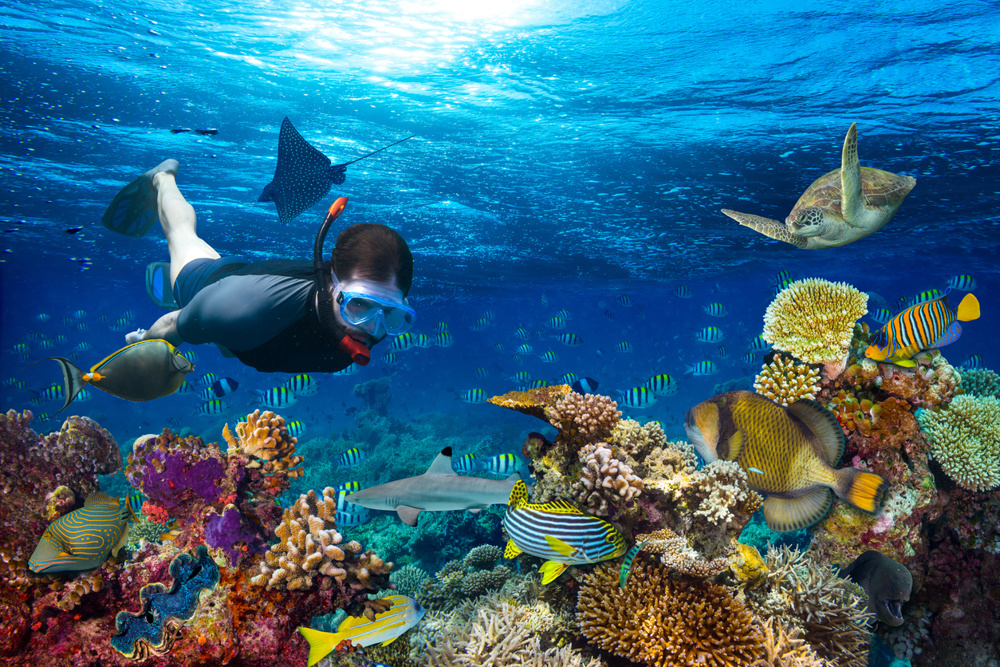
Summer is one of the most reliable seasons for snorkeling in Hawaii. Ocean conditions tend to calm down, especially along north-facing shores that are less accessible during winter months. This seasonal shift expands the number of available snorkeling sites.
Oahu’s north shore, including areas like Shark’s Cove, becomes particularly popular during this time. Kauai also reaches peak conditions in mid-summer, offering clear water and vibrant reef systems. Maui and the Big Island continue to provide consistent snorkeling opportunities throughout the season.
While Hawaii thrives in summer, the Caribbean becomes less predictable due to the start of hurricane season. This contrast makes Hawaii a preferred destination for many travelers during these months. Planning ahead is especially important during summer, as favorable conditions attract larger crowds. Early arrival times and careful site selection can help maintain a more enjoyable experience.
Create your own travel calendar to plan adventures and remember important trip dates.
Best Fall Snorkeling in Hawaii, the Philippines, and the Caribbean
As Hawaii's summer crowds begin fading, fall brings some of the season's most rewarding snorkeling conditions across the islands. In September, you'll find warm water, calm waves, and full access to Oahu's snorkeling sites. October shifts your focus to Maui, where small waves, near-peak ocean temperatures, and abundant Hawaiian green sea turtles showcase remarkable Hawaiian snorkeling biodiversity.
November opens Big Island opportunities, particularly along the Kohala Coast, though you'll want to monitor northern areas for weather changes. Plan morning sessions before 10:00 AM for better visibility and easier parking. Northeast trade winds typically strengthen throughout the day, making early arrivals essential for calmer surface conditions.
Regarding the Philippines and Caribbean, current data doesn't support fall condition assessments for either destination. Supporting reef conservation efforts across all regions guarantees these marine ecosystems remain thriving snorkeling destinations throughout every season.
Year-Round Snorkeling Destinations That Work Any Month
While most destinations demand careful seasonal timing, some locations consistently deliver excellent snorkeling no matter when you visit. The Solomon Islands, Philippines, Palau, the Whitsundays, and the Maldives all support year-round access to remarkable marine biodiversity and calm seas.
The Solomon Islands maintain water temperatures between 26–29°C with visibility exceeding 20 meters across 900-plus islands. Palau offers encounters with mantas, sharks, and turtles throughout the year, with its dry season running October to May. The Philippines keeps waters warm at 26–28°C, though you'll want to avoid typhoon-prone months in Luzon.
The Maldives shifts its highlights seasonally—winter brings calm seas, while summer increases manta sightings. The Whitsundays round out your options with reliable conditions and seasonal bonuses like whale migrations and turtle nesting. The Solomon Islands is also specifically recommended by Scuba Schools of America for its vibrant coral reefs and crystal-clear waters that remain accessible throughout the year.
Best Snorkeling Destinations Listed Month by Month
A month-by-month approach allows for more precise planning by aligning specific destinations with optimal travel windows. Instead of focusing broadly on seasons, this method helps you match your exact travel dates with the best possible conditions.
For example, the Caribbean is strongest from January through April, while Hawaii becomes more favorable during summer months. Transitional periods like spring and fall require more selective planning but can still offer excellent experiences when you focus on the right regions.
Breaking it down this way also helps you identify patterns over time. You can begin to anticipate where conditions will be best each month, making future trip planning faster and more reliable. This level of detail reduces uncertainty and increases your chances of consistently finding clear water, calm seas, and accessible snorkeling sites.
How to Choose the Right Snorkeling Destination for Your Travel Dates
Choosing the right destination involves balancing environmental conditions with practical considerations. Water temperature, visibility, and seasonal weather patterns should always be your starting point, as they directly affect your experience in the water.
From there, logistical factors come into play. Travel time, accessibility, and local regulations can influence how easy it is to reach and enjoy a destination. Some locations may require additional coordination, such as permits, guided access, or limited transportation options.
Aligning these elements with your schedule ensures a smoother trip overall. When environmental conditions and logistics work together, you minimize disruptions and maximize your time in ideal snorkeling conditions.
How Water Visibility and Conditions Impact Your Experience
Water visibility is one of the most important factors in snorkeling. Clear water allows you to fully observe marine life, coral formations, and underwater landscapes, while poor visibility can make even the most vibrant reefs feel dull and difficult to appreciate.
Visibility is influenced by weather, tides, currents, and nearby land activity. Calm conditions with minimal rainfall usually produce the clearest water, while storms, strong waves, and coastal runoff can introduce sediment that clouds the view. Even boat traffic and large numbers of swimmers can temporarily reduce clarity in popular areas.
Paying attention to these factors helps you plan more effectively. By choosing the right time of day, monitoring recent weather, and selecting protected locations, you increase your chances of experiencing the ocean at its clearest—making your time in the water far more immersive and rewarding.
How to Avoid Crowds and Find Better Snorkeling Conditions
Crowds can significantly impact both the quality of your snorkeling experience and the health of the reef. High visitor numbers can stir up sediment, reduce visibility, and disrupt marine life, making the environment feel less natural.
Traveling during shoulder seasons or choosing less popular sites can help you avoid these issues. Early morning sessions are especially effective, as ocean conditions tend to be calmer and fewer people are present. Weekdays also generally offer quieter conditions compared to weekends and holidays.
Taking a more strategic approach allows you to experience the same destinations in a quieter, more relaxed setting. This not only improves visibility but also creates a more peaceful environment where marine life behaves more naturally, enhancing the overall experience.
Essential Tips for Building a Flexible Snorkeling Calendar
Flexibility is a key component of a successful snorkeling calendar. Ocean conditions can change quickly, and even well-planned trips may need adjustments based on weather, tides, or local conditions.
Having backup options—such as alternative snorkeling spots, different times of day, or even nearby destinations—helps ensure your trip remains enjoyable. Keeping track of forecasts and staying informed about local conditions allows you to make quick, informed decisions without disrupting your plans.
A flexible approach makes your calendar more resilient. Instead of relying on fixed schedules, you create a system that adapts to real-world conditions, increasing your chances of consistently having a smooth and rewarding snorkeling experience throughout the year.
Conclusion
Creating a snorkeling destination calendar is about aligning your travel plans with the natural patterns of each region. By understanding how seasons, weather, and ocean conditions interact, you can consistently find the best snorkeling opportunities throughout the year.
Each season offers its own advantages, and careful planning allows you to take full advantage of them. Whether you prefer structured scheduling or a more flexible approach, the key is to stay informed and adaptable. With the right strategy, snorkeling becomes more than a single activity—it becomes a reliable and rewarding way to explore the underwater world across different destinations and seasons.
Related posts