Best Water Activities to Try When Visiting Texas
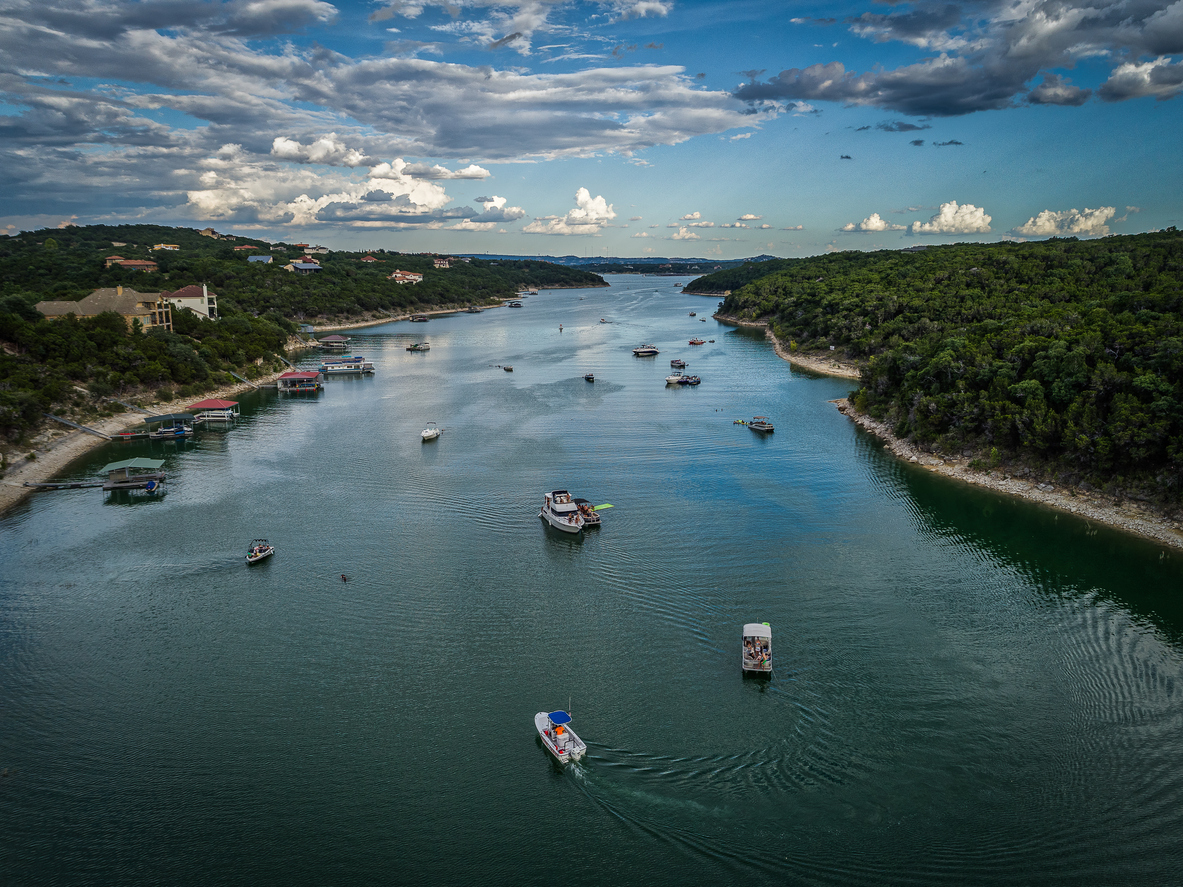
Texas offers a wide variety of water activities, from fishing and boating to paddling through cypress swamps and relaxing on spring-fed rivers. You can explore large reservoirs like Lake Travis, Lake Texoma, and Sam Rayburn Reservoir, or enjoy scenic rivers such as the San Marcos and Guadalupe. Whether you're planning a family trip, an outdoor adventure, or a relaxing getaway, Texas provides options for every type of traveler.
Boating and Pontoon Rentals on Lake Travis and Lake Austin
View this post on Instagram
Renting a boat on Lake Travis or Lake Austin is one of the most popular ways to experience Central Texas water recreation. Pontoon boats typically accommodate 8–14 passengers, with average rental rates ranging from $120 to $300 per hour, depending on the boat type, day of the week, and season. Double-decker party boats and wake boats are also widely available, often at higher rates. Half-day rentals generally range from $500 to $1,200, while full-day rentals can exceed $1,500, especially during peak summer months. Most rentals include life jackets and basic safety equipment. Fuel policies vary by company, and gratuity is optional but common for captained charters. Booking in advance—especially for weekends and holidays—helps secure better pricing and availability.
Bass and Catfish Fishing on Texas Lakes
View this post on Instagram
Texas is known for world-class freshwater fishing, particularly for largemouth bass. Lake Fork in East Texas consistently ranks among the top bass lakes in the country and holds many of the state’s largest catches. Sam Rayburn Reservoir, also in East Texas, is one of the most popular tournament lakes and has produced largemouth bass exceeding 16 pounds. Other notable fishing destinations include:
- Lake Conroe for bass and catfish
- Belton Lake for accessible shoreline fishing
- Lake LBJ for consistent water levels and year-round fishing
Spring and fall are typically the best seasons, while summer and winter require more strategic techniques.
Water Skiing and Jet Skiing at Lake Texoma
View this post on Instagram
Lake Texoma, located on the Texas–Oklahoma border, is one of the largest reservoirs in the region and a top destination for jet skiing and water skiing. The lake spans over 89,000 acres and offers open water ideal for high-speed recreation. Boaters must follow Texas Parks and Wildlife and U.S. Army Corps of Engineers regulations, including:
- Maintaining safe distances from swimmers and docks
- Observing no-wake zones near marinas
- Wearing U.S. Coast Guard-approved life jackets
Certain areas may have additional restrictions, so checking local guidelines before launching is essential.
Kayaking and Canoeing Across Central Texas Waters
View this post on Instagram
Central Texas provides excellent opportunities for kayaking and canoeing, especially along its spring-fed rivers. Popular paddling destinations include:
- San Marcos River – clear water and gentle current, ideal for beginners
- Guadalupe River – mix of calm stretches and faster-moving sections
- Blanco River – scenic and quieter, depending on water levels
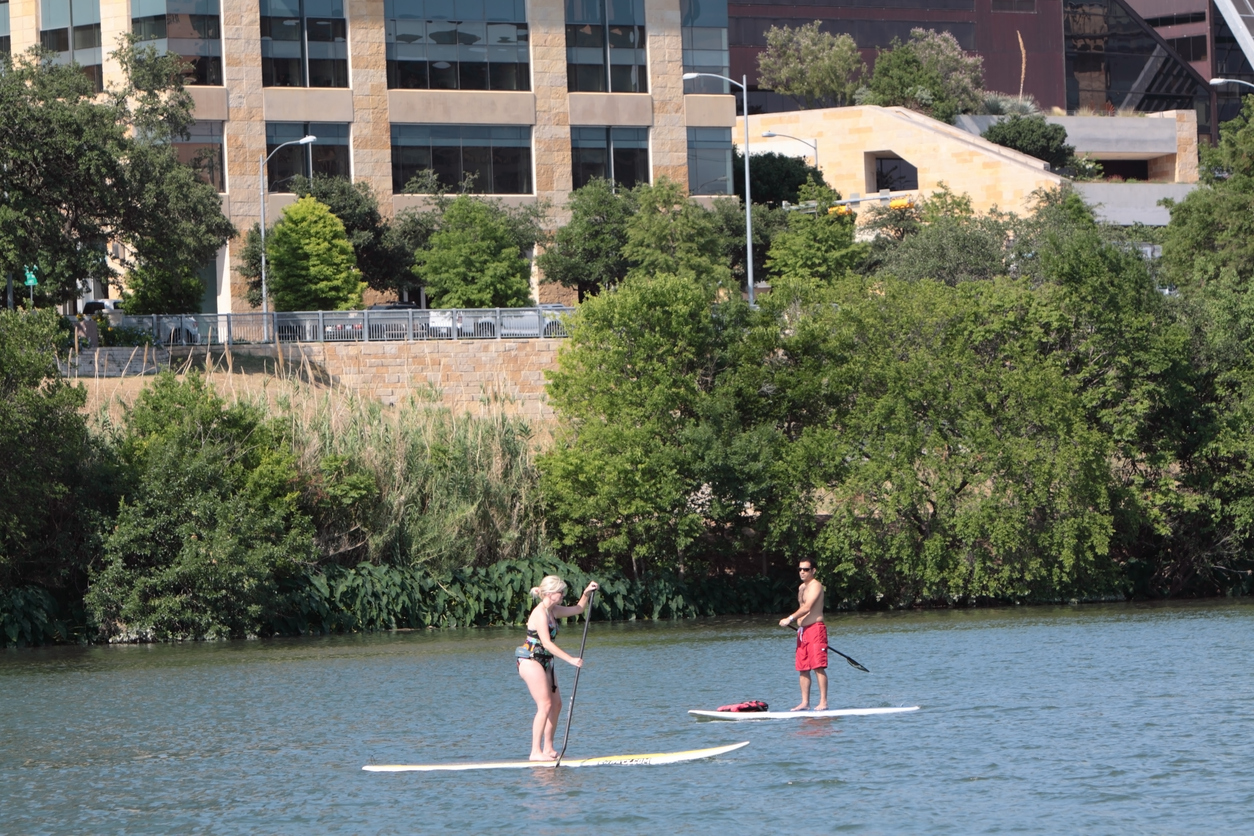
Flatwater options like Lady Bird Lake in Austin offer calm conditions with skyline views. Guided trips are available on rivers such as the Frio, Brazos, Llano, and Nueces, with options ranging from short outings to multi-day excursions.
Sailing and Windsurfing on Canyon Lake
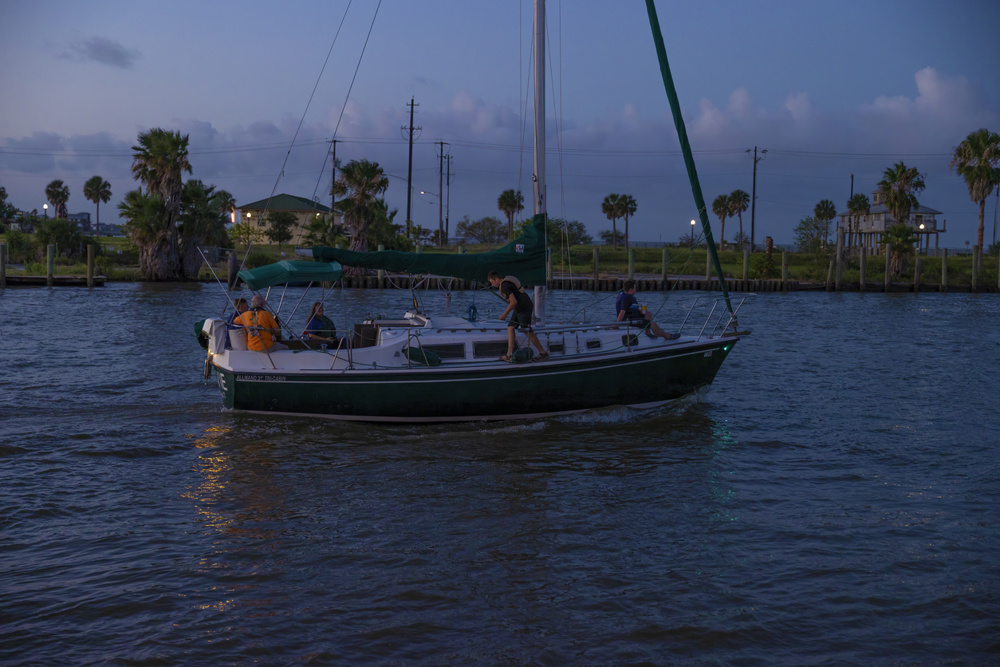
Canyon Lake, located between Austin and San Antonio, is known for its clear water and consistent wind conditions. Spring months typically bring the strongest winds, making it a popular time for windsurfing and sailing. Summer offers calmer conditions suitable for recreational boating. Facilities such as Canyon Lake Marina and the Canyon Lake Yacht Club provide access points, boat storage, and sailing opportunities. Weather conditions can change quickly, so always check forecasts before heading out.
Scuba Diving and Swimming at Lake Travis
Lake Travis offers one of the most accessible freshwater diving experiences in Texas. Popular diving areas include:
- Windy Point Park – known for underwater features and training areas
- Mansfield Dam Park – convenient access for divers and swimmers
Visibility typically ranges from 5 to 15 feet, depending on conditions. While the lake does not have extensive artificial structures like ocean dive sites, it provides varied underwater terrain and is frequently used for diving certification and training. Swimming areas are also available, though water levels can fluctuate seasonally.
Cliff Jumping and Scenic Views at Possum Kingdom Lake
View this post on Instagram
Possum Kingdom Lake is known for its dramatic cliffs and clear blue water. Hell’s Gate is one of the most recognizable landmarks, but jumping from high cliffs in this area is not recommended and may be restricted depending on conditions and local enforcement. Safer alternatives include designated swimming areas and lower, commonly used jumping spots near shoreline access points. Always check water depth, watch for boat traffic, and follow local safety guidelines before attempting any jumps.
Paddling Through Caddo Lake’s Cypress Swamps
Caddo Lake, located on the Texas–Louisiana border, offers a completely different water experience. This natural lake is known for its bald cypress trees draped in Spanish moss, creating one of the most unique paddling environments in Texas. Marked paddling trails allow visitors to explore quiet bayous and wetlands. Wildlife commonly seen includes birds, turtles, and occasionally alligators. Launch points such as Shady Glade Resort in Uncertain, Texas provide access to trails, rentals, and basic amenities.
Family Camping and Swimming at Inks Lake
Inks Lake State Park, located in the Hill Country near Burnet, is a popular destination for families. The park offers:
- Nearly 200 campsites and cabins
- Consistent water levels for year-round recreation
- Swimming at Devil’s Waterhole, a well-known scenic spot
Cliff jumping is allowed in designated areas when conditions are safe, but visitors should always check posted rules. Additional amenities include hiking trails, picnic areas, and boat rentals.
Best Central Texas Lakes for Spring Break Water Sports
During spring break, several Texas lakes become hubs for water sports and outdoor recreation. Top destinations include:
- Lake Travis – boating, paddleboarding, and waterfront parks
- Lake LBJ – calm waters ideal for kayaking and swimming
- Lake Granbury – multiple public parks and boat ramps
- Lake Conroe – popular for tubing and group outings near Houston
- Eagle Mountain Lake – quieter option near Fort Worth
These lakes offer rental services, instructors, and dining options, making them ideal for both beginners and experienced visitors.
Texas Coastal Water Activities: Beaches, Boating, and Fishing
Beyond lakes and rivers, Texas’s Gulf Coast offers excellent coastal water activities. South Padre Island is known for:
- Jet skiing and parasailing
- Dolphin-watching tours
- Clearer water compared to other Texas beaches
Galveston Island provides:
- Beach swimming and kayaking
- Fishing piers and charter boats
- Historic waterfront areas
The Bolivar Peninsula offers a quieter alternative with fewer crowds and open shoreline access. Coastal conditions can change quickly, so always monitor tides, weather, and local advisories.
Pre-Trip Planning Tips for Water Activities in Texas
Planning ahead ensures a safer and more enjoyable experience. Safety and Preparation
- Check weather and water conditions before heading out
- Wear appropriate safety gear, including life jackets
- Stay hydrated in Texas heat
Reservations and Access
- Book rentals and campsites early during peak seasons
- Confirm park hours, fees, and availability
Local Regulations
- Follow Texas Parks and Wildlife guidelines
- Be aware of boating and swimming restrictions
Preparation helps you make the most of Texas’s diverse water destinations.
Safety Tips for Boating, Rivers, and Coastal Activities
Safety is essential when enjoying Texas water destinations, especially given changing conditions across lakes, rivers, and coastal areas. Boating and Jet Skiing
- Always wear U.S. Coast Guard-approved life jackets
- Follow no-wake zones and posted speed limits
- Stay aware of other boats and swimmers
Rivers and Tubing
- Check current flow rates and avoid flooding conditions
- Wear proper footwear for rocky riverbeds
- Avoid alcohol when navigating moving water
Swimming and Cliff Areas
- Verify water depth before jumping
- Watch for submerged rocks or debris
- Follow posted rules in parks and recreation areas
Coastal Activities
- Monitor tides, rip current warnings, and weather
- Be cautious of strong winds and changing surf conditions
- Rinse equipment after saltwater exposure
Taking simple precautions helps prevent accidents and ensures a more enjoyable experience.
Related posts