Austin Paddleboarding Spots Locals and Visitors Love
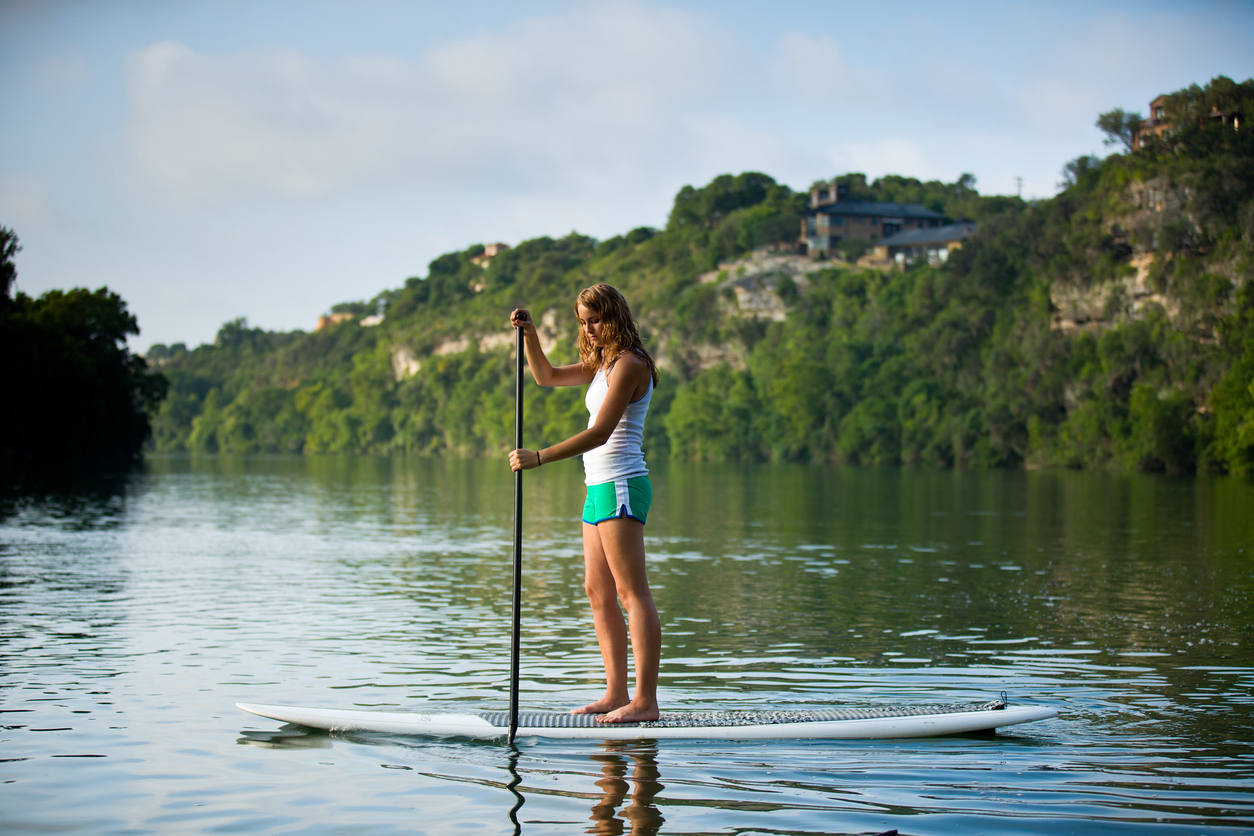
You'll discover Austin's best paddleboarding at Lady Bird Lake, where calm waters and a ban on motorized boats (with limited exceptions for authorized vessels) create ideal beginner conditions. For intermediate paddlers, Lake Austin and sections of Barton Creek offer scenic routes with varying water flow and limestone-lined shorelines. More advanced paddlers may explore longer stretches of the Colorado River downstream of Longhorn Dam, while Lake Travis's expansive reservoir provides wide-open water for experienced users. Rental costs typically range from $20–$30 per hour, with multiple launch points across the city offering convenient access to these popular locations.
Lady Bird Lake: Austin's Best Spot for Beginner Paddleboarders
View this post on Instagram
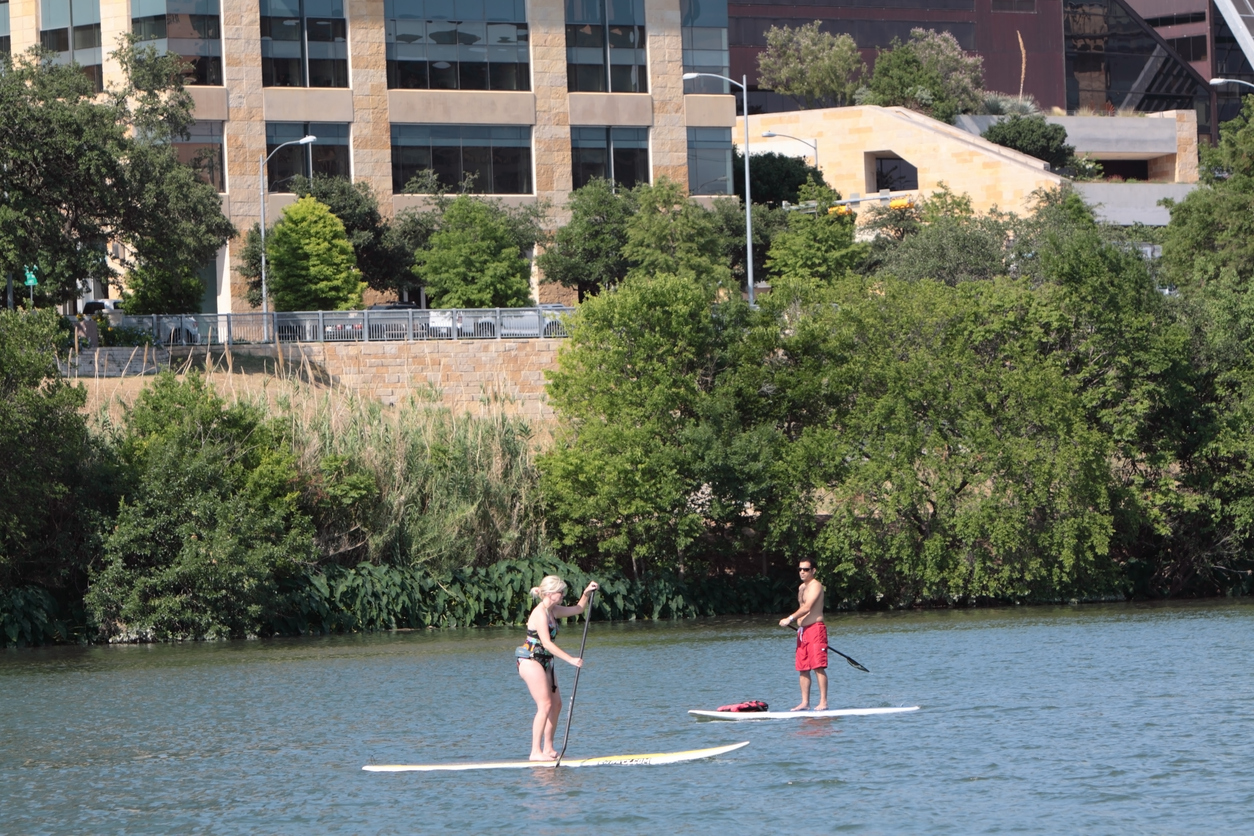
Looking for the perfect place to learn paddleboarding in Austin? Lady Bird Lake's calm, flat water makes it the city’s premier beginner destination. Most first-time paddlers can get comfortable within 10 to 20 minutes, thanks to the stable conditions. The lake’s no-wake, limited motorized traffic rules create a safer, more relaxed environment for beginners and families. Paddling beneath the Austin skyline and the Congress Avenue Bridge—especially during sunset bat flights—adds to the experience. Rental prices typically range from $20 to $30 per hour, with daily rentals often available. Popular launch points include Zilker Park Boat Rentals, Rowing Dock, and Festival Beach, the latter offering a quieter, less crowded entry point. Always wear a personal flotation device (PFD) and use a leash. Keeping your gaze forward rather than down helps maintain balance and stability.
Lake Austin and Barton Creek for Intermediate Paddlers
View this post on Instagram
After mastering the basics, Lake Austin and sections of Barton Creek provide a natural progression for intermediate paddlers. Both are located within 15–30 minutes of downtown Austin. Lake Austin, a controlled section of the Colorado River, offers calmer waters than Lake Travis and scenic views of waterfront homes and tree-lined banks. Common launch points include Emma Long Metropolitan Park, Loop 360 Boat Ramp, and Walsh Landing. Early mornings typically offer the smoothest conditions. Barton Creek offers a more dynamic experience, but it is highly dependent on recent rainfall and water levels. During periods of adequate flow, paddlers can explore limestone features, shaded corridors, and quieter natural settings. Access points include Spyglass Access, Loop 360 Access, and Zilker Park areas. For a longer downstream experience, paddlers can travel from Longhorn Dam toward Little Webberville Park, though this route requires planning for distance, current, and exit logistics.
Barton Creek Greenbelt: Advanced Paddleboarding Conditions
View this post on Instagram
For experienced paddlers, the Barton Creek Greenbelt can offer a unique and technical experience—but only during periods of sustained rainfall when water levels are high enough. Unlike lakes, Barton Creek is not consistently navigable, and paddleboarding conditions vary significantly. When water flow allows, paddlers may encounter shallow sections, rocks, and moving water, requiring strong balance and route awareness. Scenic highlights include Twin Falls and Sculpture Falls, along with limestone cliffs and shaded canyon areas. However, many sections are more suitable for wading, hiking, or swimming than continuous paddling. There are no direct paddleboard rental operations within the Greenbelt itself, so equipment must be rented elsewhere and transported. Always check current water conditions before planning a trip.
Lake Travis and Red Bud Isle: More Austin Paddleboarding Options
View this post on Instagram
Whether you're seeking expansive open water or a more relaxed urban setting, Lake Travis and Red Bud Isle offer distinct paddleboarding experiences. Lake Travis spans over 60 miles in length with hundreds of miles of shoreline, making it one of Central Texas’s most popular destinations for boating and paddling. Launch points such as Pace Bend Park, Mansfield Dam Park, and Bob Wentz Park (Windy Point area) provide access to coves and open water. Conditions can vary—mornings tend to be calmer, while afternoons may bring wind and boat traffic. Water levels can fluctuate depending on drought conditions. Red Bud Isle, located on Lake Austin near downtown, offers a calmer, sheltered paddling environment ideal for beginners and casual outings. It’s also a popular dog-friendly area, making it a convenient and scenic option.
Austin Paddleboard Rentals: Costs and Launch Locations
Once you've chosen your paddling location, securing equipment is straightforward thanks to Austin’s many rental providers. Typical rental pricing includes:
- $20–$30 per hour for standard paddleboards
- $50–$70 for half-day rentals
- $60–$90+ for full-day rentals
Popular rental providers include:
- Rowing Dock (Lady Bird Lake)
- Zilker Park Boat Rentals
- SUP ATX
- Peace Paddling (Lake Austin)
- Float On Boat Rentals
Many outfitters offer on-site rentals at launch points, while some provide delivery services for Lake Austin or private dock access. Booking in advance—especially on weekends—helps ensure availability and shorter wait times.
Paddleboarding Safety Tips for Austin Waters
Staying safe on Austin’s waterways requires preparation, especially during warmer months. Always wear a personal flotation device (PFD) and use a leash to stay connected to your board. Austin’s summer heat can exceed 95°F, so bring plenty of water and wear sun protection, including hats, sunscreen, and UV-protective clothing. Be aware of currents and water flow, particularly in areas like Barton Creek and downstream sections of the Colorado River. Wildlife encounters are generally minimal, but you may see turtles, fish, and occasionally snakes, especially in quieter areas. Check local conditions before heading out, including water levels, weather forecasts, and park access updates.
Seasonal Paddleboarding Tips in Austin
Timing your paddleboarding trip can make a significant difference in both safety and overall experience. Spring (March–May) offers some of the best conditions, with mild temperatures and occasional rainfall that can improve water levels in creeks like Barton Creek. Summer (June–September) is the most popular season, but also the hottest. Plan early morning or sunset paddles to avoid extreme heat and heavy boat traffic, especially on Lake Travis and Lake Austin. Fall (October–November) brings cooler temperatures and fewer crowds, making it one of the most comfortable times to paddle. Winter (December–February) is still viable thanks to Austin’s mild climate, though water temperatures can be cold, and daylight hours are shorter. To avoid congestion, aim for weekday mornings or sunrise sessions, particularly on high-traffic lakes.
Choosing the Right Paddleboarding Spot by Skill Level
Austin’s waterways cater to all experience levels, but choosing the right location can greatly improve your experience. Beginner:
- Lady Bird Lake – calm, flat water with minimal boat traffic
- Red Bud Isle – sheltered, easy paddling close to shore
Intermediate:
- Lake Austin – steady water with occasional boat wakes
- Calmer sections of Lake Travis – best in mornings
Advanced:
- Long-distance paddling on the Colorado River
- Wind-exposed areas of Lake Travis
- Seasonal high-water sections of Barton Creek
Matching your skill level to the environment helps ensure a safe and enjoyable outing.